
If you’re preparing for an air tightness test, avoiding a few common errors can save you time, money, and the frustration of a failed result. Whether it’s a self-build project or a commercial unit, small oversights often lead to unnecessary retests. Here are the five most frequent mistakes we see on site, and how to avoid them.
1. Skipping the Pre-Test Preparation

Many projects fail simply because key details were missed before the test begins.
Unsealed service penetrations, open trickle vents, or unfinished skirting can all affect results.
Tip: Follow a detailed air tightness test checklist before your appointment and make sure all trades finish sealing work in advance.
2. Testing Too Early in the Build
An air permeability test should be done once the envelope is complete and all penetrations are sealed, but before final finishes are applied. Testing too soon can give inaccurate results and risk damaging delicate finishes later.
Best practice: Schedule your test after final decorations and mechanical installations are complete, but before flooring or carpets are laid.
3. Forgetting About Ventilation Controls
Leaving ventilation systems running or trickle vents open during testing can severely skew your readings.
Before testing:
- Turn off extract fans and MVHR systems.
- Close all trickle vents and chimney dampers.
- Ensure internal doors remain open during the test.
4. Poor Site Access or Communication
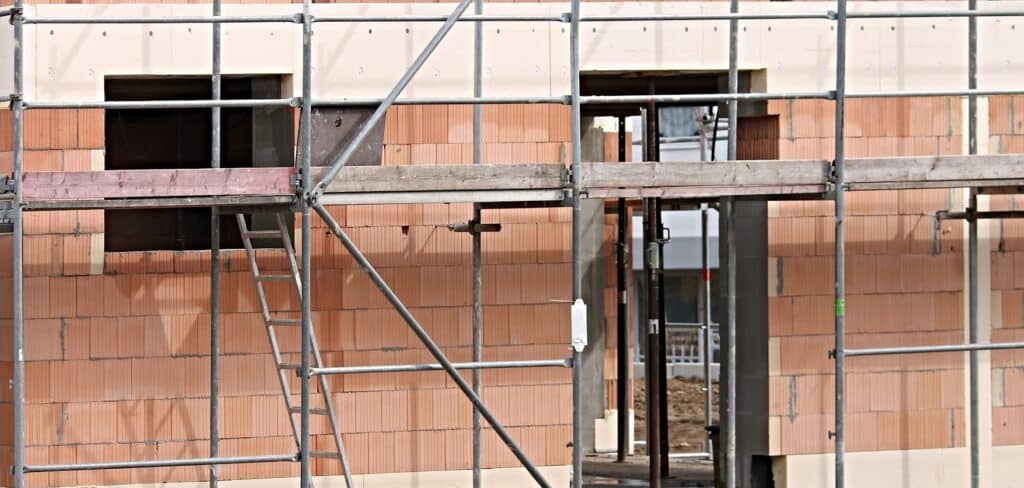
Delays often occur because testing engineers can’t access certain rooms or power sources.
Avoid disruption by:
- Ensuring the site is safe, accessible, and powered.
- Letting your team know the test date and requirements.
- Confirming with your testing engineer if multiple plots or units will be tested that day.
5. Not Sealing Temporary Gaps or Voids

Temporary openings (like unfinished ducts or unsealed loft hatches) can dramatically increase air leakage.
Even small gaps can push your results above the target m³/h·m² rate.
Solution: Before the engineer arrives, seal all temporary openings with tape or foam. If unsure, ask your tester what should remain open or sealed.
Final Thought
Preparation is the difference between a smooth pass and a costly retest. By avoiding these five mistakes and following the official CIBSE TM23 and BS EN ISO 9972:2015 testing standards, you’ll improve your chances of achieving compliance the first time.
Avoid Costly Retests — Book with Confidence
Don’t let small mistakes cause big delays. Our ATTMA-accredited engineers will guide you through every step. From preparation to certification so you can pass your air tightness test the first time.
Book Your Air Tightness Test today and ensure your project meets Part L compliance without the stress.